Scroll

Jump to Category
Behavior · Feelings · Strategies & Techniques · PreSchool & Daycare ·Your Inner Parent · Fun & Holidays
Behavior
Anger, Aggression & Creative Discipline
Blog

This article explores 10 ways to effectively deal with power struggles with your young child.

Creative Discipline at Home is a 30-page article that explores the concept of discipline conflicts as growing and learning opportunities and provides effective discipline strategies and techniques that are respectful to both you and your child.

This 22-page article Aggression at Home: A Detailed Plan focuses on a plan for working with children’s verbal and physical aggression and turning that aggression into socially-appropriate verbal expression.
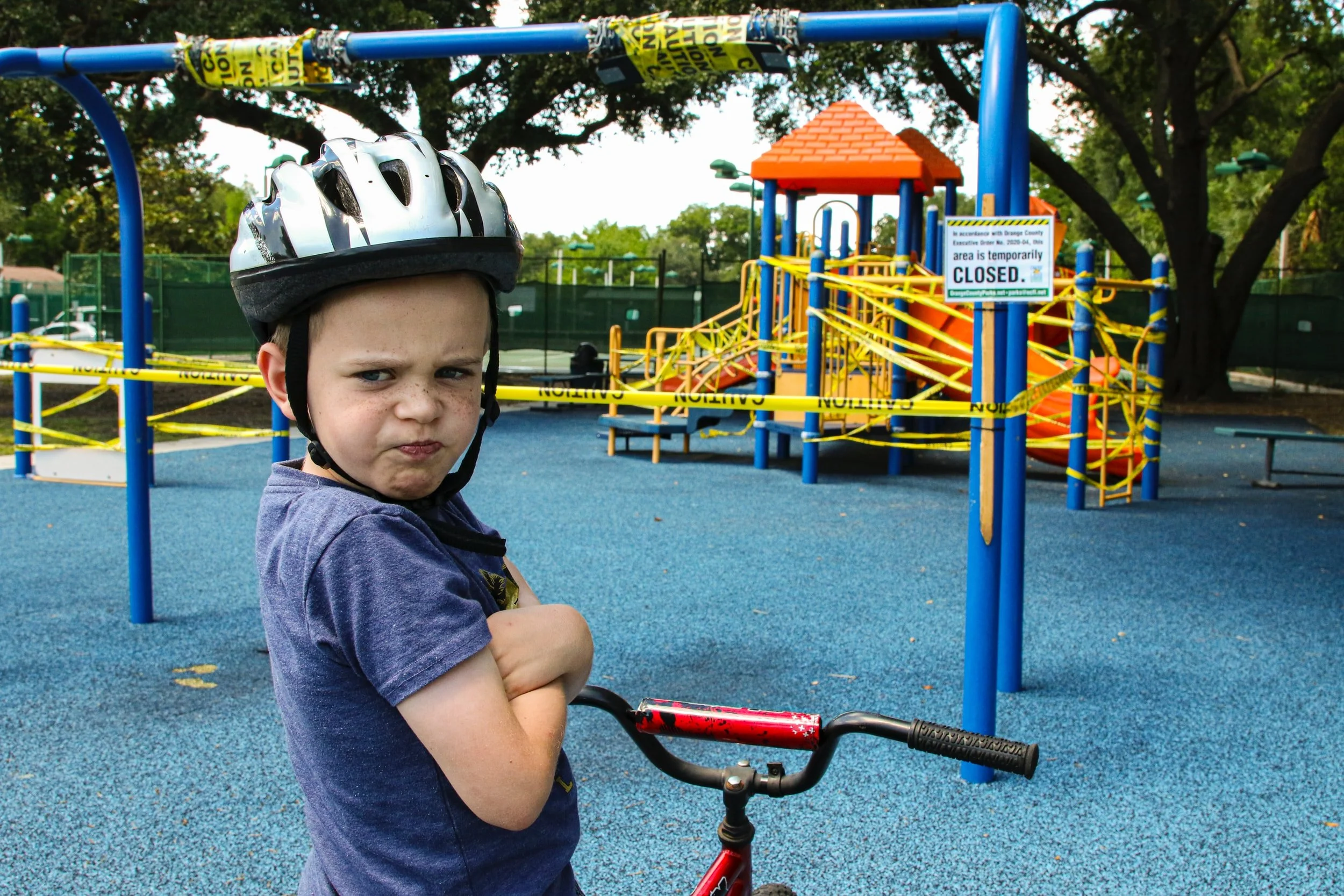
This 23-page article Aggression in Class: A Detailed Plan focuses on a plan for working with children’s verbal and physical aggression and turning that aggression into socially-appropriate verbal expression.

Children’s angry feelings, children’s angry words, and children’s angry actions can be a frequent and upsetting occurrence in families with young children and in classrooms caring for young children. Anger Management for Children explores how parents, teachers, and early childhood professionals can help children deal with their angry feelings.

Children's angry feelings, children's angry words, and children's angry actions can be a frequent and upsetting occurrence in families with young children. Although it's not easy, you can deal effectively with intense confrontations by accepting your child's angry feelings, limiting your child's inappropriate angry behavior, and practicing appropriate angry behavior during rehearsals.

Conflict situations often arise between a child and their peers or siblings. Conflict situations should be viewed as powerful opportunities for adults to strengthen a child’s communication skills as well as to develop their problem-solving skills.

At the cornerstone of appropriate behavior is self-control. We want our child to have control over what they say and what they do.


Everyone gets angry at times. Parents raising young children experience challenging and frustrating times every day that can lead to anger. Feeling angry at your child can be uncomfortable and may occur more often than you want. When you learn to control your inner thought process you can center and self-soothe and feel better about your child and yourself. A calm parent is an important model for a young child who is trying to gain impulse control over their own emotions and actions.
Healthy Attitudes & Harmonious Meals
Blog

This article offers words, skills, techniques and strategies to help strengthen your family bond at mealtimes.

For young children, food is love. And the love connection between you, your child, and food is very important. This article explores tips and techniques for creating and strengthening a health relationship with food.

My child is an extremely picky eater. He only eats two or three foods and it drives me crazy! I've tried everything to get him to try new foods, but nothing works. Help!

For a happy meal, the focus of mealtimes should not be the food, but on sharing and communicating and spending time with family. Connecting with your child is the important part of a happy meal, not what is on the table. For young children, food is love, so power struggles over food don't have a place at the table.

It is important that we teach our children to tune in to their internal physical state and eat when they are hungry and not eat at other times. Your child's stomach doesn't always run by the clock.

For young children, food is love. And the love connection between you, your child, and food is very important. This 32-page article explores the emotional and social role of food in your child’s life and in your family life.
Feelings
Blog

This article explores goals, guidelines, tools, techniques, and emotional issues involved in parent-child separations.

This article explores goals, guidelines, tools, techniques, and emotional issues involved in parent-child separations at school/daycare drop-off.

An email to Irene from a 2-1/2 year-old boy who dictated his email to his mom:
Hi Ms. Irene,
Are you scared of the monsters?
The end.
L.

Children have got it right. Tears-whether during a tantrum or with disappointment over no dessert or when a fire engine gets taken from them-are freeing. They help release all that feeling. They help wash the slate clean. After the tears we can start anew.

Many families are dealing with the aftermath of earthquakes, tsunamis, hurricanes, tornados, wildfires, flooding, and power outages. These natural disasters are challenging for everyone, but especially your young child, who can absorb the general anxiety and intense feelings within a family.
Strategies & Techniques
Featured

Creative Discipline with Young Children is a 44-page article that explores the concept of discipline conflicts as growing and learning opportunities and provides effective discipline strategies and techniques that are respectful to both you and your child.

Times change. But the deep basics of growing children up and growing parents never change. Here are some of my time-honored classics to help.
Creative Discipline at Home is a 30-page article that explores the concept of discipline conflicts as growing and learning opportunities and provides effective discipline strategies and techniques that are respectful to both you and your child.
Children's angry feelings, children's angry words, and children's angry actions can be a frequent and upsetting occurrence in families with young children. Although it's not easy, you can deal effectively with intense confrontations by accepting your child's angry feelings, limiting your child's inappropriate angry behavior, and practicing appropriate angry behavior during rehearsals.
An email to Irene from a 2-1/2 year-old boy who dictated his email to his mom:
Hi Ms. Irene,
Are you scared of the monsters?
The end.
L.

Every parent-child relationship can be strengthened. Every parent-child relationship hits snags, low-points, and negative patches. This article describes an exercise called The Bread and Butter Technique, a proven strategy to use for everyday interactions and for challenging times.

Whether it is a short trip or a long trip, traveling away from your child can be challenging to both you and your child.

Toilet Training 101 is a 9-page article exploring toilet training with your young child.
At the cornerstone of appropriate behavior is self-control. We want our child to have control over what they say and what they do.

It feels important that we look at pacifier-sucking behavior within the context of the goals for your child and that we look at pacifier-sucking behavior through the eyes of your child. I feel strongly that each child should decide when they give up their pacifier.
My child is an extremely picky eater. He only eats two or three foods and it drives me crazy! I've tried everything to get him to try new foods, but nothing works. Help!
It is important that we teach our children to tune in to their internal physical state and eat when they are hungry and not eat at other times. Your child's stomach doesn't always run by the clock.
Preschool & Daycare
Featured
This article explores goals, guidelines, tools, techniques, and emotional issues involved in parent-child separations at school/daycare drop-off.
This 23-page article Aggression in Class: A Detailed Plan focuses on a plan for working with children’s verbal and physical aggression and turning that aggression into socially-appropriate verbal expression.

The question, “Is my child ready for kindergarten?” can be anxiety-provoking; this article provides important guidelines to help with this decision for your child.

This article addresses the search for a good preschool or daycare, as well as the search for a preschool or daycare that is a good match for your particular child and your family.
Your Inner Parent
Featured

So what happened to my New Year’s resolution? This was going to be the year that I slowed down my entire life.
Every parent-child relationship can be strengthened. Every parent-child relationship hits snags, low-points, and negative patches. This article describes an exercise called The Bread and Butter Technique, a proven strategy to use for everyday interactions and for challenging times.
Whether it is a short trip or a long trip, traveling away from your child can be challenging to both you and your child.
Children have got it right. Tears-whether during a tantrum or with disappointment over no dessert or when a fire engine gets taken from them-are freeing. They help release all that feeling. They help wash the slate clean. After the tears we can start anew.

Raising a family is so daily that we feel like a hamster on a treadmill going nowhere. Sometimes our children don't seem to be maturing and our parenting struggles seem same-old same-old. The Negative/Positive List Exercise can be helpful in providing perspective on the progress that you and your child are making this year.
Everyone gets angry at times. Parents raising young children experience challenging and frustrating times every day that can lead to anger. Feeling angry at your child can be uncomfortable and may occur more often than you want. When you learn to control your inner thought process you can center and self-soothe and feel better about your child and yourself. A calm parent is an important model for a young child who is trying to gain impulse control over their own emotions and actions.

When my kids were young, I felt jealous that they went to fun summer camps and had lots of play dates with their friends, but my work schedule was the same. I wanted my kids' summer vacation-so where was my Parent Summer Camp experience?

Every summer when my children were little we went to the beach for our family vacations. Soon after arriving at the beach, I would find myself getting angry. Somehow this vacation wasn't working for me.

Somewhere in the lowering of expectations and acceptance of reality, I have found that a magical holiday present appears. There is no expensive foil wrap, there are no perfect ribbons. Embracing my family as we really are-that is the most precious and the most special gift of all.

This is a good time to reflect on the past year and think of the most enriching, fulfilling, connecting, joyful family times

If I had been able to see this future snapshot of my wonderful daughter as she is today, how would I have been different as a parent when she was younger? Taking this leap of faith, believing in my heart that my daughter would truly become the woman I always hoped she would become, how would I have been a different Mom way back when?
Fun & Holidays
Activities
Featured

The Surgeon General should put a warning on all electronic screens: The use of electronic devices can be hazardous to your emotional and social health.
At the cornerstone of appropriate behavior is self-control. We want our child to have control over what they say and what they do.


Make a Family Flag with your child. Section the flag off with crayons, with one section representing each member of your family, and write your family members' names on each section. You can mount your Family Flag on a stick (for example, use a straight-edge ruler or a tree twig) or you can tape it to a door or wall. Enjoy celebrating your family with your Family Flag!


Working with our hands can be very calming to our bodies. Creating with our hands can be very soothing to our souls.

Working with our hands can be very calming to our bodies. Creating with our hands can be very soothing to our souls.

Frogbellies are fun and interesting; tactile experiences like this can be calming for children.
This is a good time to reflect on the past year and think of the most enriching, fulfilling, connecting, joyful family times

For a happy meal, the focus of mealtimes should not be the food, but on sharing and communicating and spending time with family. Connecting with your child is the important part of a happy meal, not what is on the table. For young children, food is love, so power struggles over food don't have a place at the table.
Holidays
Featured

Looking for holiday toys? The best toys require no batteries and no electrical cords--only a child's imagination.

July 4th is Independence Day in the United States. Why not make every day Independence Day for your child? The birthright of every child is independence.

In spring, eggs are used by many religions and cultures. This egg activity can also provide enrichment opportunities

Sing to this song to the tune of Freres Jacques as each person expresses what they are grateful for. As you go around the table, you can repeat previous verses or start fresh.

February may be the shortest month, but it can seem like the longest! Cabin fever? Snow? Power outages? Short dark days? Two months until Easter and Passover and Spring Break! The daily grind? Yikes! Here are four ways to turn February Funk into February Fun.
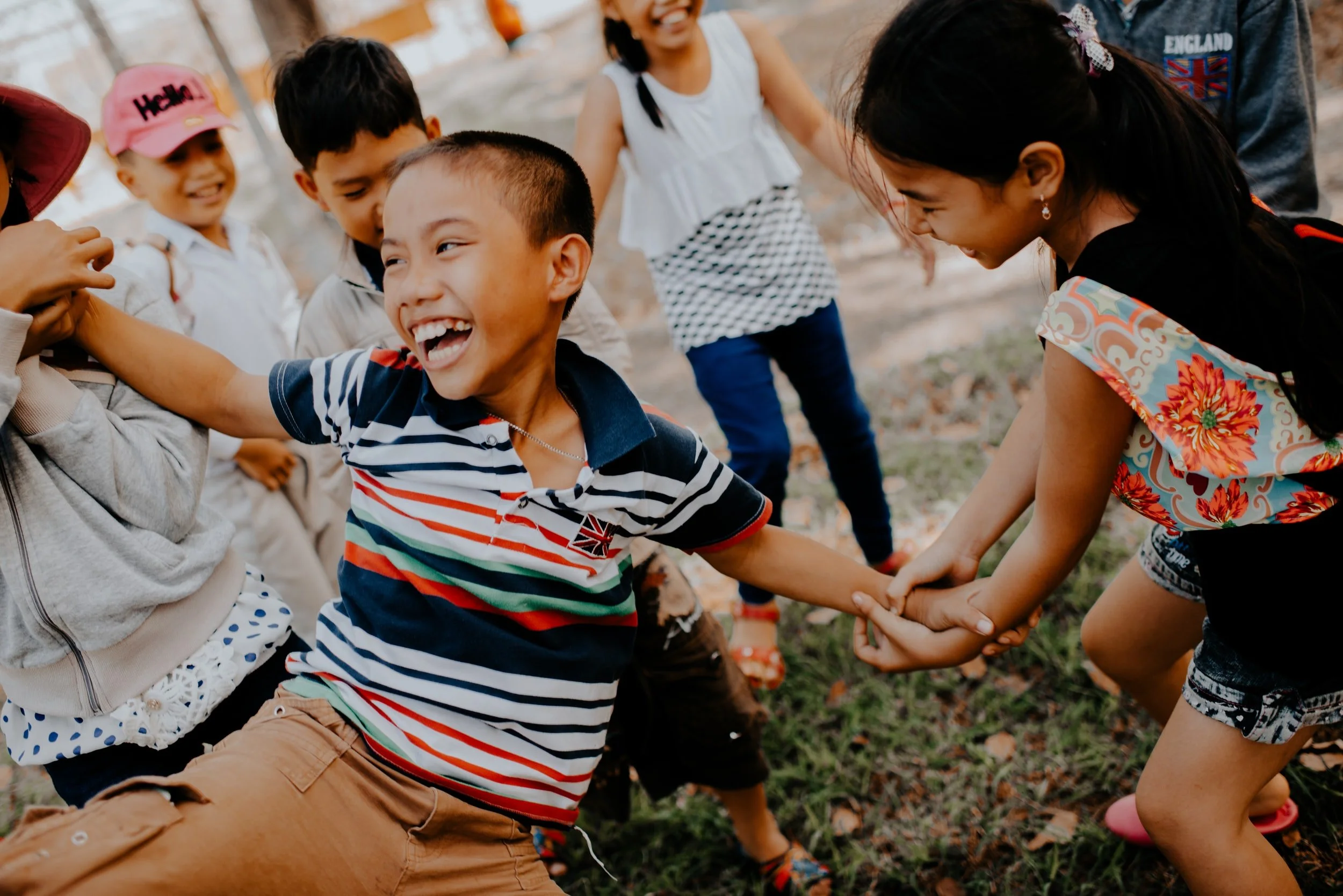

When my children were little, they had a lot of friends in the neighborhood and exchanging holiday gifts became a complicated exercise, especially for children who already had more than enough "stuff." One holiday season the other parents and I decided that our children needed to experience more giving and less getting.
Creative Discipline with Young Children is a 44-page article that explores the concept of discipline conflicts as growing and learning opportunities and provides effective discipline strategies and techniques that are respectful to both you and your child.